If your home was built before 1990, there is a strong possibility it contains asbestos.
Asbestos in Calgary homes built before 1990 is common. During the mid 20th century, asbestos was widely used in construction materials because it was durable, fire resistant, and affordable.
Today, those same materials can pose health risks if disturbed.
If you are renovating, buying, or living in an older Calgary property, this guide will help you understand what to look for and what steps to take.
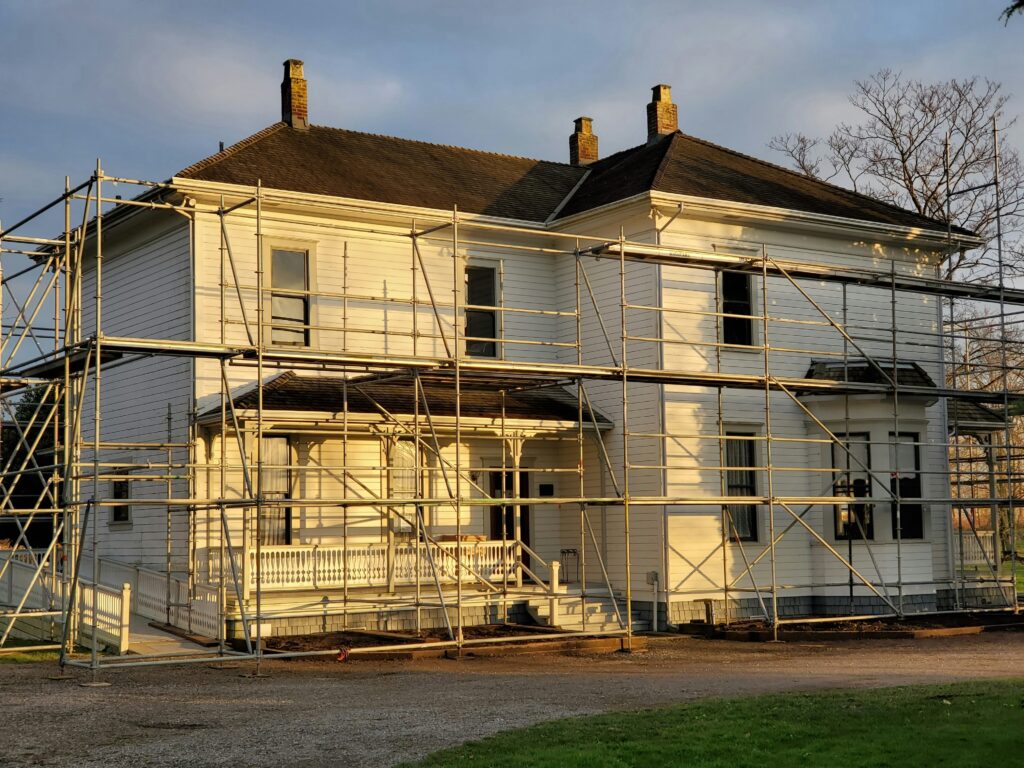
Why Pre 1990 Calgary Homes Are Higher Risk
Although asbestos use declined in the late 1980s, many materials containing asbestos were still legally sold and installed into the early 1990s.
Builders also used remaining stock before transitioning fully to asbestos free products.
In Calgary, entire neighborhoods built during the 1960s, 1970s, and 1980s may contain asbestos materials in:
- Attics
- Basements
- Flooring
- Ceilings
- Exterior siding
If your property falls into this age range, testing before renovation is strongly recommended.
Where Asbestos Is Commonly Found in Calgary Homes
Asbestos in Calgary homes built before 1990 is most often found in:
Attic Insulation
Loose fill vermiculite insulation is one of the most well known asbestos containing materials in older Canadian homes.
Popcorn Ceilings
Textured ceilings installed before the 1990s often contained asbestos in the spray applied material.
Drywall Joint Compound
The mud used between drywall seams frequently contained asbestos before 1990.
Vinyl Floor Tiles
Nine inch by nine inch tiles are especially suspect in homes from the 1960s and 1970s.
Cement Siding and Stucco
Exterior materials sometimes contained asbestos for added durability and fire resistance.
Is Asbestos Dangerous in Older Calgary Homes?
Asbestos becomes dangerous when it is disturbed. Materials that are intact and undamaged may not release fibers. However, once sanded, drilled, scraped, or demolished, microscopic asbestos fibers can become airborne. Inhalation of these fibers has been linked to serious long term health conditions. That is why renovation work in older Calgary homes should never begin without proper testing.
Wise Abatement Tip: If your Calgary home was built before 1990, assume materials may contain asbestos until testing proves otherwise. Budget for testing as part of your renovation planning rather than treating it as an unexpected surprise.
When Should Calgary Homeowners Test for Asbestos?
You should arrange asbestos testing if:
- Your home was built before 1990
- You are planning renovations
- You are removing flooring or ceilings
- You are opening walls
- You are finishing a basement
- You are demolishing any part of the home
In Calgary, contractors are required to identify asbestos before performing renovation or demolition work. Skipping this step can delay projects and increase costs.
Testing is straightforward and far less expensive than dealing with contamination after improper disturbance.
What Happens If Asbestos Is Found?
If asbestos is confirmed in a Calgary home, the next steps depend on:
- The type of material
- Its condition
- Whether it will be disturbed
- The size of the affected area
Options may include leaving the material undisturbed, encapsulating it, or arranging professional asbestos removal. Removal procedures must follow Alberta Occupational Health and Safety requirements when contractors are involved.
Why This Matters for Calgary Real Estate
Asbestos in Calgary homes built before 1990 does not automatically reduce property value.
However, failure to properly address asbestos during renovations can create:
- Health risks
- Legal liability
- Project delays
- Unexpected costs
Buyers and sellers should be aware of potential asbestos materials and address concerns early in the transaction process.
Final Thoughts
Asbestos in Calgary homes built before 1990 is common, but manageable.
The key is awareness. If your home falls within this age range, assume materials may contain asbestos until testing proves otherwise.
Before renovating, demolishing, or disturbing older materials, testing protects your health, your investment, and your timeline.