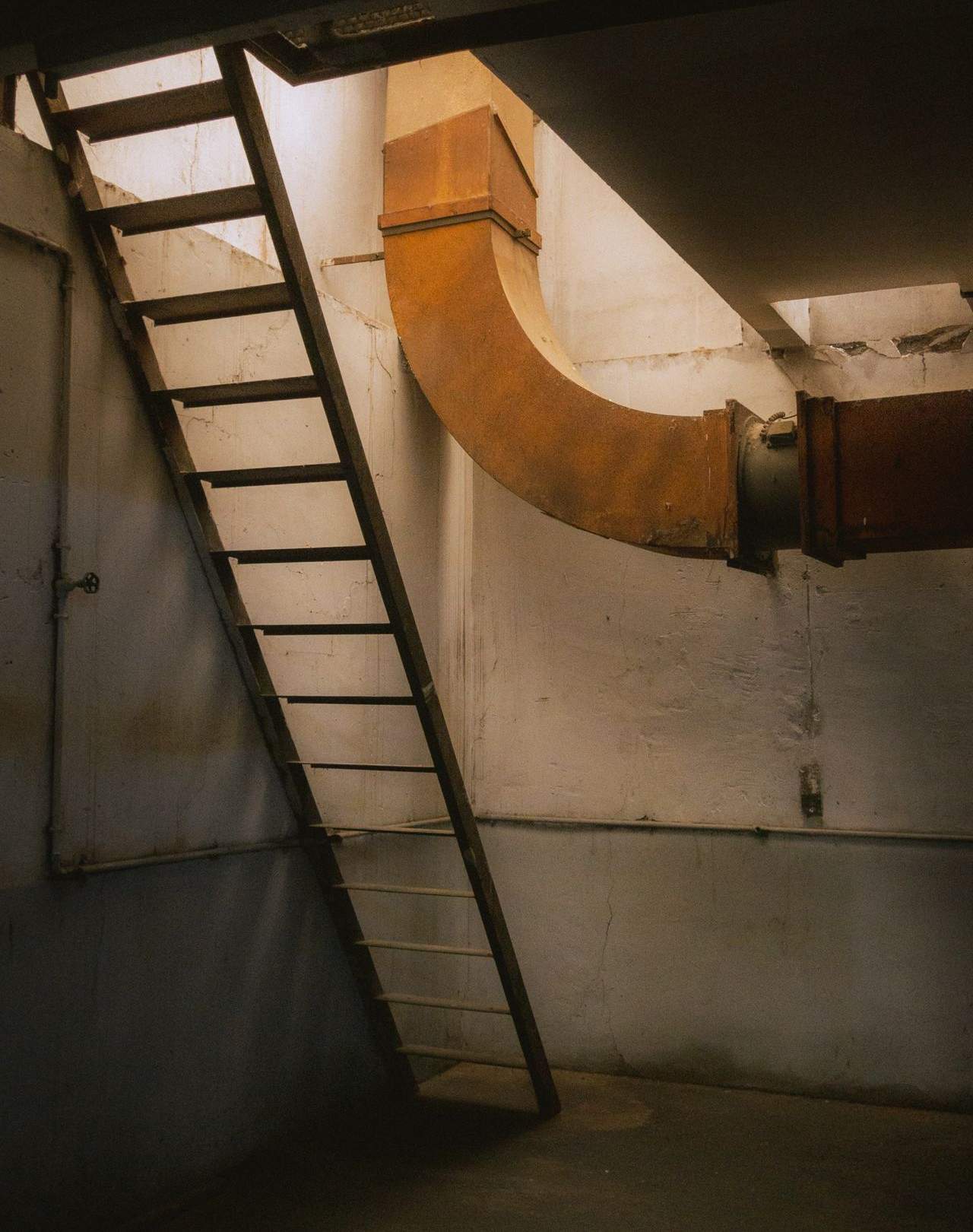
Basements are the most common place mold takes hold, cool, damp, and often poorly ventilated. If you’ve noticed staining, a musty smell, or damp walls downstairs, our certified team removes basement mold safely and tackles the moisture problem behind it.
Certified Asbestos Experts
10+ Years Experience
Safe Removal Guarantee
Get Started Today
Why Basements Are A Magnet For Mold
Below-grade walls, limited airflow, and moisture from the surrounding soil make basements the ideal environment for mold. Add Calgary’s seasonal temperature swings and condensation, and even a finished basement can develop hidden growth behind drywall or under flooring.
Because so much of a basement is enclosed, mold often spreads before anyone notices. Effective removal means more than wiping down a wall, it means finding the moisture source, containing the area, and treating everything the mold has reached.
Water seeping through foundation walls, leaks, and high humidity all give mold the dampness it needs to grow downstairs.
Poor Ventilation
Basements often have little airflow, so moisture lingers and creates the still, damp conditions mold thrives in.
Hidden Growth
Finished basements hide mold behind drywall, under carpet, and in framing, so the problem is often bigger than it looks.
Take Back Your Basement
Dealing With Mold Downstairs?
Don’t let it spread through the rest of your home. Our certified team removes basement mold safely and addresses the source. Request your free quote today.
We locate the moisture feeding the mold, foundation seepage, a leak, or humidity, so it can be properly addressed.
Contain The Area
The affected space is sealed off with proper controls so spores don't spread upstairs during removal.
Remove & Treat
Mold is removed, affected materials are treated or replaced, and the area is thoroughly cleaned with the right equipment.
Prevent Return
We help correct the moisture and ventilation issues behind the mold so it's far less likely to come back.
Reviews
Real Customer Reviews Speak Volumes
Carl C.
Excellent work! Great team to work with, from start to finish. Upfront regarding quote. Timely bin removal and replacement. Easy and continual communication throughout the demo process. Started the work on time and finished the project in a timely fashion. Will work with the team at Wise Abatement again and would also highly recommend.
Andrew J
Fantastic, professional team. They were quick to respond to our emergency, provide competitive pricing and were so personable through the entire experience. Would definitely recommend!!
Natalie B
Wise was excellent to work with on our massive renovation! We had various asbestos containing materials throughout our old house and Wise tackled it all without any issues. They had great communication, worked hard, and had fair pricing.
Jeff H
The team from Wise Abatement was everything you want from a remediation company. Efficient, responsive, clean, and easy to work with. Their work is high quality and affordable and I’d recommend them to anyone needing remediation work.
Teresa J
I have used Wise for a few of my projects. They are always welcome and happy to help me out even if it is just answering some of my questions. Very quick response and booking. The price is very reasonable. Love your team. Thanks for all that you do!!
Frequently Asked Questions
Why does mold keep coming back in my basement?
Because the moisture source hasn’t been fixed. Mold needs dampness to grow, so if seepage, a leak, or humidity remains, it returns. We focus on both removing the mold and correcting what’s feeding it.
Can mold in the basement affect the rest of my home?
Yes. Spores travel through the air and shared spaces, so basement mold can affect air quality throughout the house. That’s why containment during removal matters.
Do I need to remove my basement drywall or flooring?
It depends on how far the mold has spread. Materials that are saturated or heavily affected usually need to be removed, while others can be treated. We’ll assess and recommend only what’s necessary.